
The Evolution of Call of Duty: From Classic Warfare to Modern Battlefields
- Muhammad Zulqarnain
- 4 days ago
- 3 min read

Call of Duty has become one of the most iconic video game franchises in history. Since its debut, it has transformed the way players experience war games, evolving from straightforward World War II battles to complex, modern combat scenarios. This post explores how Call of Duty has changed over the years, highlighting key milestones and innovations that shaped its journey.

Early Days: The Classic World War II Battlefields Experience
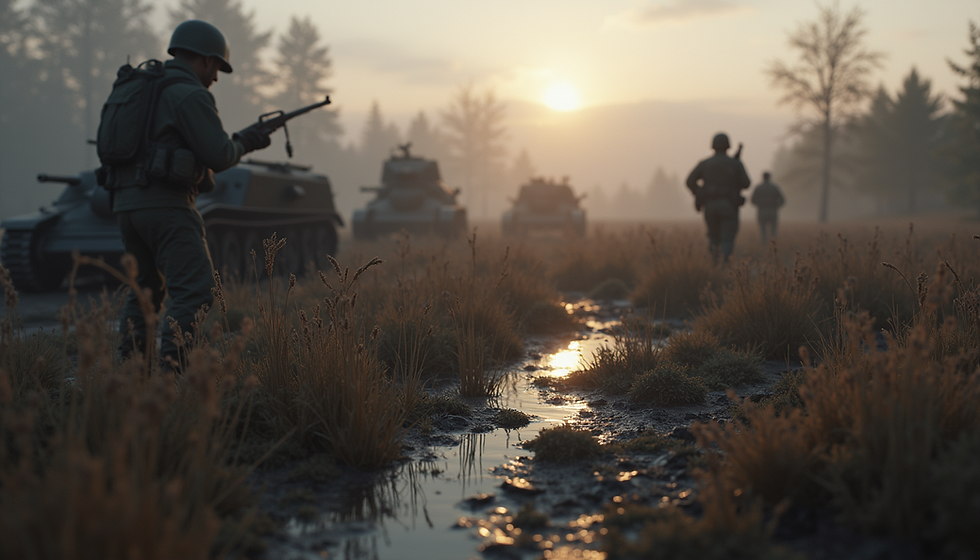
The original Call of Duty, released in 2003, focused on World War II, a setting familiar to many gamers. It stood out by offering a cinematic and immersive experience, putting players in the shoes of soldiers from different Allied nations. The game emphasized squad tactics, realistic weaponry, and historical accuracy.
Key features of the early games included:
Single-player campaigns that followed specific battles and missions.
Multiplayer modes that allowed players to compete online.
Authentic weapons and uniforms from the era.
A focus on infantry combat and vehicle use like tanks and planes.
This approach attracted players who wanted a realistic and respectful portrayal of the war. The success of these titles laid the foundation for the franchise’s future.
Transition to Modern Warfare
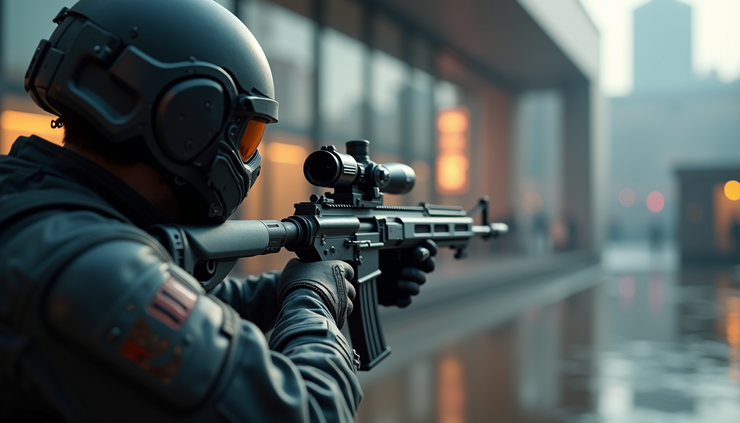
In 2007, Call of Duty 4: Modern Warfare marked a major turning point. The game shifted from historical battles to contemporary conflicts, introducing new technology, weapons, and tactics. This change broadened the appeal of the series and set new standards for first-person shooters.
Modern Warfare introduced:
Advanced graphics and physics that enhanced realism.
A gripping story involving special forces and covert operations.
New multiplayer features like customizable loadouts and killstreak rewards.
Fast-paced gameplay with a focus on agility and precision.
The success of Modern Warfare showed that players were eager for fresh settings and gameplay styles. It also sparked a series of sequels and spin-offs that explored different aspects of modern combat.
Expanding the Battlefield: Diverse Settings and Modes
As the franchise grew, Call of Duty expanded into various time periods and locations. Titles like Black Ops explored Cold War espionage, while others ventured into near-future and even sci-fi warfare. This variety kept the series fresh and attracted different types of players.
Some notable expansions include:
Black Ops series with its focus on secret missions and psychological storytelling.
Advanced Warfare and Infinite Warfare introducing exoskeletons and space combat.
Battle Royale mode in Warzone, which brought large-scale survival gameplay to the franchise.
The multiplayer experience also evolved, with new maps, game types, and social features. Players could now team up, compete in tournaments, and customize their characters more than ever before.
Impact on Gaming Culture and Community
Call of Duty has influenced gaming culture beyond just its gameplay. It helped popularize online multiplayer shooters and esports competitions. The franchise’s annual releases create a strong community of fans who share strategies, stream gameplay, and participate in events.
The series also sparked discussions about the portrayal of war and violence in games. Developers have balanced entertainment with respect for real-world conflicts, often consulting military experts to improve authenticity.

Looking Ahead: The Future of Call of Duty
Call of Duty continues to evolve with new technology and player expectations. Recent releases focus on cross-platform play, enhanced graphics, and deeper storytelling. The franchise also explores new ways to engage players, such as live-service models and seasonal content.
For fans and newcomers alike, Call of Duty offers a rich history of innovation and excitement. Whether you prefer classic World War II battles or futuristic combat, the series provides a wide range of experiences that reflect the changing face of warfare in gaming.


Comments